
Wildlife & sustainability
What your garden does for wildlife, out of 100.
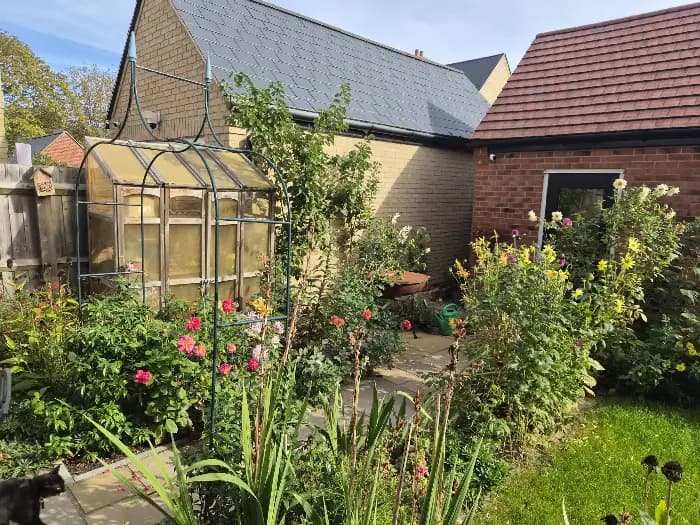
Every plan you build adds pollinator-friendly, native and low-input plants to that map. Growing well at home turns out to be one of the most useful things you can do for the country’s wildlife — and for your shopping bill at the same time.
Why it matters
Good for the bees, and good for the bill.
The two arguments are the same argument, which is the nicest thing about growing your own.
- Every plan adds pollinator-friendly, native and low-input plants, and the planting is spaced and timed to keep something in flower for as much of the year as possible.
- Low input means what it says: feeding is recommended only where a soil result or a plant’s needs justify it, and sometimes the right advice is to add nothing at all.
Not a carbon credit. Not greenwashing. Just households telling themselves the truth about their impact.
The wildlife score
Four pillars, each one built to be about the garden rather than its size. Garden size is not in the formula anywhere — a planted courtyard beats half an acre of lawn on merit.
The bands
- Bronze
- 30+A garden that is already feeding something.
- Silver
- 55+Flowers across the seasons and habitat worth the name.
- Gold
- 75+A garden that works for wildlife all year round.
What gets logged
From bug hotels and log piles to bird baths and hedgehog highways, and from ponds to hedges to wildflower patches. You tick what is there; the score explains which pillar is weakest and what would lift it.
Sightings you log sit beside the score and never move the number. The score is about what the garden offers, not what has been seen that week.
Wildlife score FAQs
The questions the score raises.
What is the wildlife score?
A score out of 100 for what your garden offers wildlife, from four pillars: bloom coverage, habitat, plant diversity and the share of native planting. Garden size is deliberately not in the formula — a planted courtyard beats half an acre of lawn on merit. Sightings you log sit beside the score and never change it.
Which habitat features count?
Thirteen features, weighted by impact: from bug hotels, log piles and bird baths to hedgehog highways, ponds, hedges and wildflower patches. A pond or a hedge counts for more than a bug hotel — and all of them count. The score shows which pillar is weakest and what would lift it.
Do the sightings I log change my score?
No. Sightings sit beside the score and never move the number. The score says what the garden offers, not what has been seen that week.
What do the Bronze, Silver and Gold bands mean?
They mark what the garden is already doing. Bronze at 30 is a garden that is already feeding something; Silver at 55 means flowers across the seasons and habitat worth the name; Gold at 75 is a garden that works for wildlife all year round.
How does the score work for a garden in Germany?
The natives pillar is left out until the German native list lands, and the other three are scaled to 100, so a German garden can reach every band too.
Plant something that gives back.
Start with a postcode, draw a zone, and watch the wildlife score tell you where you can do the most good.